
Types of Wood:
- Softwoods like pine or cedar produce a thick smoke and creosote, leading to chimney fires. Rather choose hardwoods for a cleaner burn.
- Green or wet wood causes excessive smoke, poor combustion, and creosote build-up. Always make sure that your woods moisture content is 20% or less.
- Particle board, driftwood, treated wood, and moldy wood release toxic fumes when burned. Opt for untreated, locally sourced wood.
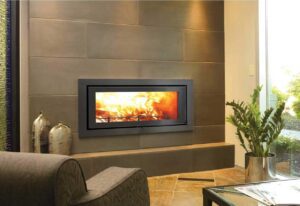
Relaxing in the warm glow of a crackling fireplace is an ultimate winter pleasure, as long as you have the right type of fuel in your firewood rack. That is because not all wood is created equal. When it comes to refueling your fireplace, choosing the right type of wood is crucial not only for the efficiency of your wood burner but also for the safety of your home.
Which types of wood should you steer clear of next time you want to buy your wood, from softwoods that produce excessive creosote to chemically treated woods that release harmful fumes, uncover firewood options that spell trouble for your fireplace:
- Softwoods: Avoid the high resin levels that softwoods contain
Softwoods like pine, fir, spruce and cedar may offer a quick and lively flame, the trade-off is a potential hazard to both your health and the integrity of your fireplace. High resin levels in such wood types lead to a unique set of challenges when used as fireplace fuel. When igniting softwood, it produces a dark, thick smoke that not only infiltrates your living space, compromising indoor air quality but also poses a significant risk to your chimney. The smoke can accumulate and solidify as creosote, a highly flammable substance, increasing the likelihood of chimney fires.To navigate these challenges:
– Switch to hardwoods such as oak, maple or hickory for a cleaner and more efficient burn
– Reserve softwoods kindling rather than relying on them as the main fuel source for your fireplace
– Close the door of your closed combustion fireplace to prevent sparks from reaching flammable surfaces and enhance overall safetyIf you have no other option but to use softwoods, allow them to season (the process of drying wood at least six months) for an extended period to reduce their moisture content, promoting safer burning.
- Wet or Green Wood: Ensure wood’s content is below 20%
The sound of crackling fire can sometimes lead to the temptation to burn green or wet wood, but the consequences can be dire. Green or wet wood, characterized by high moisture content, introduces a list of problems when used as fireplace fuel. Burning wet wood not only results in excessive smoke and poor combustion but also contributes to the build-up of creosote in the chimney.To ensure a safer fireplace experience:
– Choose the correct storage method that allows your wood to dry and stay dry
– When buying a cord of firewood, be sure to check that the moisture content is below 20% for a cleaner and more efficient burn
– Invest in a moisture meter to check the wood’s dryness before burning
– Schedule regular chimney inspections to identify and address creosote build-upWhen storing your wood, consider using a firewood rack to keep the wood off the ground and protected from the rain.
- Treated Wood: Painted, stained or pressure-treated wood releases toxic chemicals
While it may be tempting to dispose of old, treated wood in your fireplace, by doing this poses a serious health risk. The combustion of treated wood releases toxic chemicals, compromising indoor air quality and potentially harming those in the vicinity.
Wood treatments, including paint, stains, and chemical preservatives, can contain hazardous substances that, when burned, transform into harmful fumes.To counter such challenges, there are some tips to keep in mind:
– Check for paint, stains or any signs of chemical treatment on the wood
– Keep treated wood separate from other firewood to avoid accidental burning
– Dispose of treated wood through appropriate recycling or disposal methods
– Opt for a natural, untreated cord of firewood to guarantee a cleaner burnMake yourself aware of alternative methods for repurposing or recycling treated wood.
- Driftwood: Avoid chlorine and other toxic substances
This is often washed ashore and weathered by elements. It may seem like a rustic and charming choice for your fireplace, but it can pose serious risks. Wood as such can release a variety of pollutants when burned, including toxic chemicals like chlorine and heavy metals. The combustion process may not only compromise indoor air quality but also potentially damage the fireplace and chimney.Try to:
– Refrain from collecting and burning driftwood in your fireplace
– Explore alternative decorative options for driftwood, such as incorporating it into art or landscaping
– Opt for locally sourced and seasoned firewood for a safer burning experienceAlthough the driftwood came from fresh water and not contain any chlorine, it is still not safe for your fireplace. Most likely it has a high moisture content, which will affect the quality of the fire.
- Particle Board or Plywood: Processed wood produces toxic and carcinogens fumes
Furniture and construction materials should never find their way into your fireplace. These materials often contain adhesives that can release harmful fumes when burned, while compromising indoor air quality and potentially causing respiratory issues. The adhesives used in particle board and plywood contain synthetic resins and glues that transform into noxious fumes when exposed to the high temperatures of a fireplace.To make safer choices for your fireplace:
– Disassemble and dispose of furniture or construction materials properly, following local guidelines
– Explore recycling or repurposing options for particle board and plywood to avoid burning them
– Select firewood that is specifically labelled as untreated for a cleaner and safer burn - Wood From Poisonous Plants: Smoke from poisonous trees contains irritating oil particles
The dangers of burning wood from a poisonous plant far outweighs any convenience the practice may give. The smoke released can contain irritant oils, leading to severe health issues ranging from skin irritations and respiratory problems. In order to make informed decisions about your firewood, and ensure the safety of your household, there are tips to consider:- Learn to recognize poisonous plants like poison oak, poison ivy, poison sumac, poison wood and Brazilian peppertree
– Take precautions such as wearing protective gloves and protective clothing when handling wood from potentially toxic plants
– Wash your hands thoroughly after handling any potentially toxic materialsSeek medical attention immediately if you come into contact with poisonous wood.
- Rotten Wood: Rotten firewood has a high moisture content
With rotten wood, they are often soft and decayed due to fungal activity, poses unique challenges when considered for fireplace use. Apart from the obvious structural issues, burning rotten wood will release mold spores into the air, which can have detrimental effects on indoor air quality and respiratory health. Rotten wood also has a low density and high moisture content not suitable for burning.
The combustion of rotten wood not only compromises the efficiency of your fireplace but also introduces the risk of inhaling mold spores. Mold exposure can trigger allergies, respiratory issues and other health issues.Consider such tips as:
– Before burning, carefully inspect firewood for signs of rot, decay or fungal growth.
– Keep rotten wood separate from usable firewood to avoid accidental burning.
– If handling or disposing of extensively rotten wood, use respiratory protection to reduce the risk of inhaling mold spores.When in a case you have to burn wood with a minor mold, do so in your outdoor braai or fire pit to reduce indoor air quality.
- Moldy Wood: Mold exposure can trigger allergic reactions
Moldy firewood is often identified by its musty smell and visible mold growth, can introduce serious health concerns when used in your fireplace. When burning moldy wood, it releases mold spores into the air, posing respiratory risks and compromising indoor air quality.Be sure to:
– Carefully inspect the firewood for any signs of mold or fungal growth before burning
– Store your firewood in a dry and well-ventilated area to prevent mold formation
– Dispose of moldy wood through appropriate channels, such as composting or disposal facilitiesShould you encounter persistent mold issues, consult professionals to assess and address potential mold sources in your home.
One should remember that not all wood is created equal, when wanting warmth and ambiance from your fireplace. Do make informed choices about the type of wood you burn is crucial for both the efficiency of your fireplace and the well-being of your household. Steer clear of unsuitable types of wood, you’ll ensure a safer and more enjoyable fireside experience.