
Your fireplace should be more than a source of heat during those cold winter nights. The create a cozy atmosphere that cannot be achieved with even the most high-tech air conditioner or heater.
Keep in mind that with owning a wood burning fireplace, also comes the responsibility of keeping up with its maintenance and servicing to make sure it works efficiently without posing a risk to yourself and your family.
Regardless of you having an open or closed unit that burns wood, coal, pellets, or gas, any fireplace needs regular care and maintenance to keep it in tip-top shape.
Keep It Clean
Wood and coal burning fireplaces produce a variety of by-products that need regular removal.
Routine cleaning of the interior does more than improving aesthetics – it can also improve efficiency, so that your fireplace can produce more heat while consuming less fuel.
Fun Fact: Did you know that wood ash is an excellent source of nutrients for flowering plants so you can sprinkle them in your garden or indoor pots. Be sure to wear a dust mask when cleaning ash out of the fireplace to avoid inhaling the small particles.
Gas fireplaces need a little more than an occasional wipe down with a soft cloth, to keep the exteriors dust-free.
Install A Heatproof Glass Door
A heatproof glass door will make your wood burning fireplace safer, more efficient, and easier to maintain.
- It prevents sparks and embers from tumbling out into the room and will also keep pets and children from harm.
- To clean the glass, dip a damp newspaper or paper towel into the ashes and wipe the soot off the glass. For tough to remove spots, use a light sandpaper.
Test Before Using
Before the start of winter, make sure that your wood burning fireplace is functioning properly before you make use of it during the colder seasons. You can test your fireplace by lighting just a few pieces of wood and make sure the smoke is being released through the chimney. When smokes enter your room, find the problem and correct it before adding more wood to your fire.
Common issues that could be causing smoke in the room area:
- An obstruction in the chimney duct.
- Too much creosote or soot build-up.
- A closed damper.
- Wet Wood.
Check the chimney
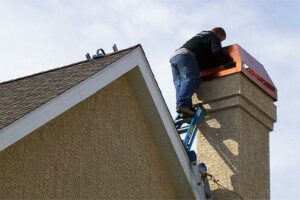 Having a well-functioning chimney is vital for an efficient fireplace, whether it is a masonry or stainless-steel chimney.
- Regular checks for any cracks, dents, or rust, as they could be signs of more serious problems.
- Check the chimney cap and screen and replace them if necessary. This cap is designed to keep water, birds, leaves, and other materials out of the chimney. It has a screen on the one side, which also functions as a spark arrestor to prevent accidental fires.
Professional Help
To ensure that your fireplace works and functions efficiently, you should have it swept professionally at least once a year or more frequently if you start to notice any build-up or other signs of build-up.
When using wood that is not thoroughly dried or stored properly, creosote can be one of the deposits that can be left behind after burning wood as such.
Soot and hard creosote residues must be removed professionally to help prevent a blockage of air flow. Soot is softer and tends to cover a much wider area and is also a fire risk, and hard creosote residues on the inner walls of the chimney are flammable, making this a major cause of chimney obstruction or fire.
With regards to Gas fireplaces, they require less maintenance when it comes to cleaning as they do not produce any ash, soot or creosote. Although, they too need to be serviced once a year by a gas installer certified by the Liquefied Petroleum Gas Association of South Africa (LPGASA). The installer has to ensure that there are no gas leaks on the gas lines or appliances and that the fireplace is operating efficiently and safely.
Following these basic steps in fireplace maintenance and safety will help you make sure your fireplace continues to provide comfort in style for many years to come. Economically and safely.