
If you are in the market for a wood-burning fireplace, you might be wondering whether it is best to go with a closed combustion fireplace or an open fireplace. Aside from the obvious differences such as design, many are unsure what the difference is between these two in terms of efficiency, cost-effectiveness and functionality.
Closed Combustion Fireplace vs Open Fireplace
To get an idea of what each type of fireplace has to offer, consider the following:
– Closed combustion fireplaces include wood burning stoves. These fireplaces have become a popular choice for homeowners all over the world, and for a good reason. Aside from their excellent fuel efficiency, they have a look that integrates well in variety of homes, from modern to old-fashioned. Many of these types of units are made from cast iron, with some of the modern models also made of steel. This type of fireplace is closed, meaning that it has a glass or metal door which prevents the fireplace from sucking out warm room air up the chimney (creating a vacuum cleaner effect). As the fire is closed, heat is refracted, thus creating very high combustion temperatures. Thanks to this very high combustion temperature, wood burns cleanly and fully, with hardly smoke through the chimney. Just 20-25% of heat lost with this type of fireplaces, which we have an efficiency rate of up to 80%.
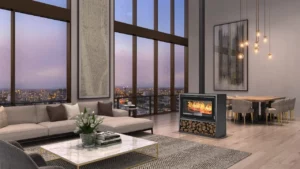
–Open fireplaces need no introduction. These fireplaces come in a large variety of styles and sizes. What they all have in common is that the front of the fireplace is left open. Wood is placed in grate, with smoke mostly released through the chimney. Smoke often escapes however, leading to a distinct fire smell. Wood and coal can be used in an open fireplace, with a great deal of ash left once the fire goes out. In traditional open fireplace, just 30% efficiency is achieved, with about 70% potential heat being lost due to the open design. These fireplaces can be a pain to clean, with a build-up of coal, ashes and unburned wood typically found after use. Sparks and ash can also escape onto the floor in front of the fireplace, making this type not quite as safe as a closed fireplace especially when children and pets are concerned.
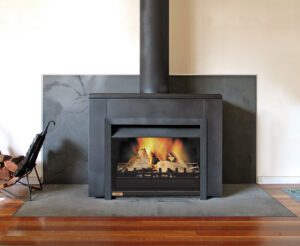
As you can see, from heating and efficiency point of view, closed combustion fireplaces almost always outperform open fireplaces. While the initial upfront investment may be higher in some cases, the fireplace quickly earns its keep. These fireplaces are available in a range of styles, including free standing wood stoves and built-in fireplaces that can be integrated into a wall. Depending on your preferences, budget and decor style, you could opt for an old-fashioned cast iron stove that is small and compact, or you could choose a contemporary built-in fireplace that seamlessly blends into your homes style.